Three Things Amelia Ransom Said About Mentoring That I’m Still Thinking About
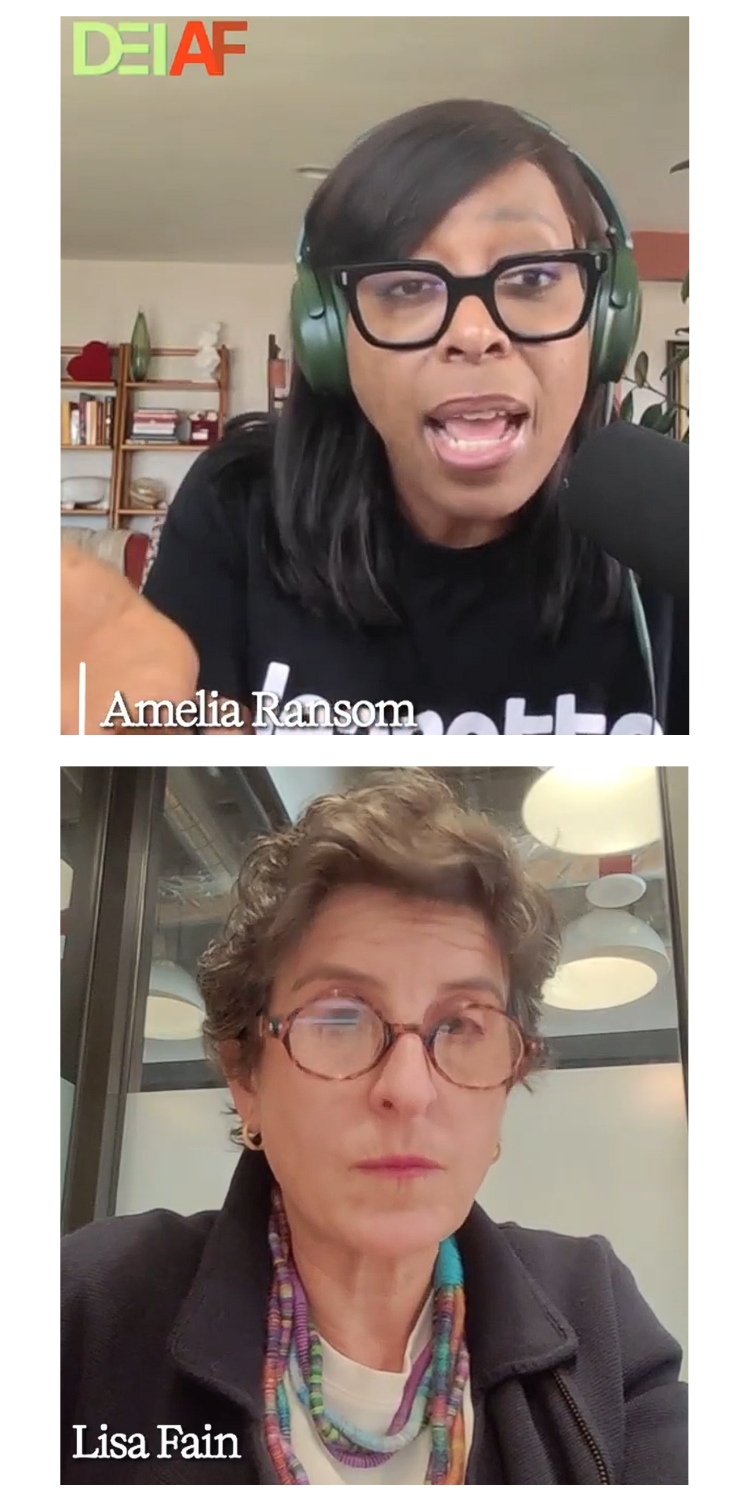
I recently joined Amelia Ransom on her DEI AF podcast for a conversation about mentoring, sponsorship, learning, AI, and what it really takes to grow.
Amelia has a gift for putting big ideas into memorable language. Three things she said during our conversation have stayed with me.
1. “Don’t be a learning thief.”
I loved Amelia’s phrase “learning thief.”
It describes what happens when mentors enter a relationship assuming all the learning is supposed to flow in one direction: I’m the experienced person. I’m here to teach you.
My take: Great mentoring is reciprocal.
A mentor may bring experience, context, and perspective, but the mentee brings knowledge, experiences, and ways of seeing the world the mentor doesn’t have.
Come to mentoring prepared to contribute—but also prepared to learn.
Otherwise, you may be leaving half the value of the relationship on the table.
2. “What do you need to know to be true about me to advocate for me when I’m not in the room?”
Amelia shared a question she asked her COO:
“What do you need to know to be true about me to advocate for me when I’m not in the room?”
That is such a powerful sponsorship question.
It moves beyond, What should I work on? or even What do you think of me? It asks a senior leader to name what they would need to know, observe, or believe before putting their own credibility behind you.
Amelia then talked about taking that information back to her mentor and working on those things—if they rang true for her.
My take: This is exactly why no single developmental relationship can do everything.
A sponsor can advocate for you. They can tell you what they would need to see in order to advocate for you.
A mentor can help you reflect on that feedback, decide what is relevant, build the capability, and think through how to demonstrate it authentically.
Different people play different roles in our growth.
That is the power of a learning ecosystem: not relying on one person to provide everything you need, but intentionally building a network of relationships that provide different kinds of perspective, challenge, support, and access.
3. “AI can transfer knowledge, but it can’t give you nuance.”
Later in our conversation, Amelia offered a series of observations about AI that stopped me in my tracks:
“I’m not afraid of AI. I’m afraid of us.”
“AI can tell you what it said, but not what it is saying.”
And:
“AI can transfer knowledge, but it can’t give you nuance.”
My take:
There is no shortcut to human connection.
AI can give us information. It can transfer knowledge. It can summarize, synthesize, and help us see patterns.
But nuance lives in relationship.
It lives in the trust that makes it possible to say the thing that is hard to say – or as Amelia puts it “to say the quiet things out loud.”
That kind of learning requires human connection.
There is no shortcut to it.
This is why I don’t believe AI makes developmental relationships less important.
It makes them more important.
AI scales information.
Relationships scale wisdom.
As access to knowledge becomes easier, our ability to interpret it, question it, contextualize it, and exercise sound judgment becomes even more valuable.
And we develop those capacities with—and through—other people.
The thread connecting all these observations is this:
Don’t just receive learning. Participate in it.
Take charge of your own learning. Be willing to learn from the people you mentor. Ask what others need to know to advocate for you. Be both mentor and mentee, sponsor and protégé. Build a network of relationships that helps you reflect, stretch, interpret, and act.
Growth isn’t simply about accumulating more information.
It is about becoming better at making meaning from it—and surrounding yourself with the people who help you do that.
That is what a true learning ecosystem makes possible.
You can watch my full conversation with Amelia Ransom on DEI AF here: https://www.youtube.com/watch?v=0V1vSmNKOf8
For more information and resources, visit: www.centerformentoring.com or www.lisazfain.com
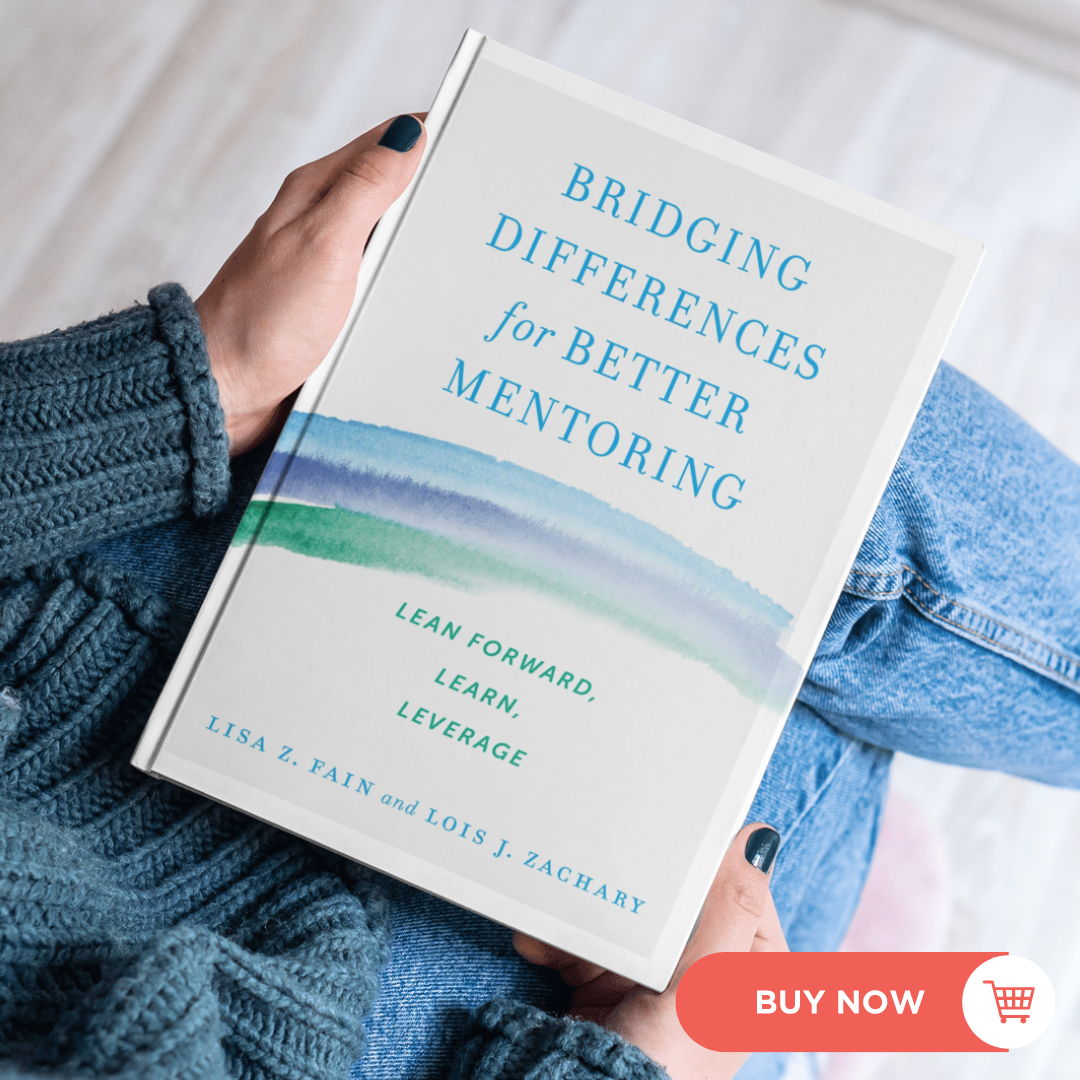
Now Available!
Mentoring Resources
MORE FROM OUR BLOG
If AI can teach people almost anything, what is the role of mentoring now?
Imagine a new hire, fresh from college, top talent recruited for a high-performing team. We can call her Whitney. Whitney is six months into her role. She is bright, capable, and resourceful. When she gets stuck, she opens an AI tool. She asks it to explain the new...
The Empty Room That Taught Me About Connection
For 17 years, we lived in Chicago. I built a career there. I started a family there. I raised babies there. I learned how to be an adult there, in the blunt, beautiful, exhausting way adulthood often teaches us: long hours, longer commutes, too much to carry, not...
The AWE Question: How Wonder Opens Better Mentoring Conversations
Have you ever been struck by something outside yourself that filled you with a sense of awe? For me, it happens in the middle of ordinary moments. Like this: I might be driving down I-90, thinking about my day, when I glance up and see that, as we say around here,...